Burnout Among Fitness Professionals: Data, Causes, and Prevention
Burnout is on the rise among fitness professionals, impacting their health, performance, and passion for the job. This article explores key data, causes, warning signs, and practical strategies to prevent and recover from burnout—backed by research and expert insights from across the industry.
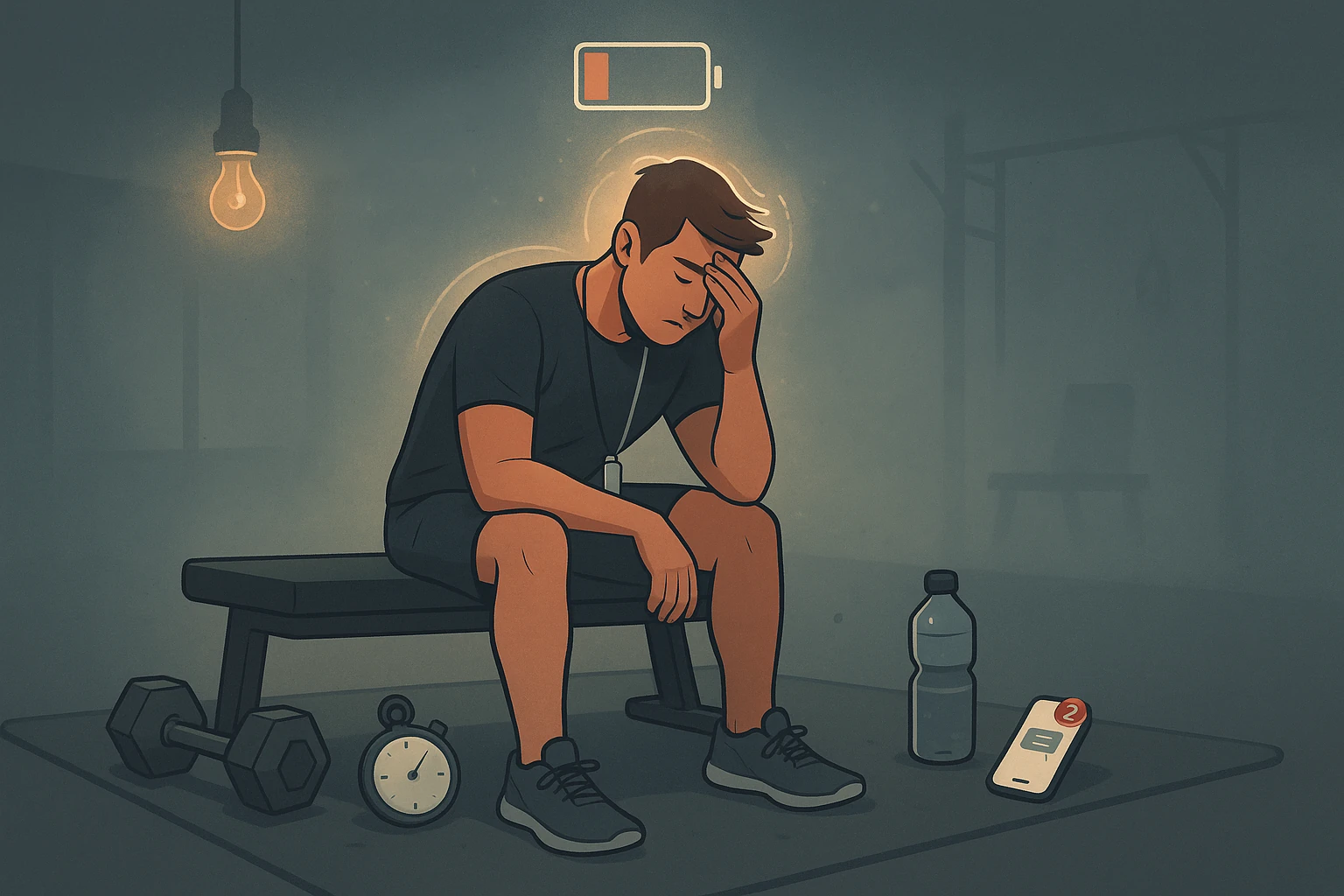
Burnout has become a pressing concern for fitness professionals – even those who love their job. This deep-dive compiles recent research (mainly from the last 2–3 years) on how burnout affects fitness instructors, personal trainers, and solo coaches. We’ll explore how common burnout is, why it happens, signs to watch for, and evidence-backed ways to prevent or overcome it. We’ll also include insights from industry leaders and note cultural differences (EU vs. US) in work-life balance.
(Remember: You can’t pour from an empty cup – taking care of you is key to helping others!)
1. Burnout Rates in the Fitness Industry
Recent data reveal that burnout is alarmingly prevalent among fitness professionals. In a 2021–2022 study using the Copenhagen Burnout Inventory, about one-third of fitness coaches and personal trainers had high levels of burnout by certain measures. Specifically, 32.8% met criteria for personal (overall) burnout, 28.5% for work-related burnout, and 18.0% for client-related burnout.
Post-pandemic spike: The COVID-19 era worsened matters. Trainers surveyed after 2020 showed significantly higher burnout scores than those surveyed before the pandemic.
Comparison to general workforce: Burnout isn’t unique to fitness – it’s widespread. In Finland about 25% of all workers are either at increased risk of burnout or have already experienced it.
Where it’s measured: Burnout in studies is often defined by symptoms like extreme exhaustion, cynicism, and reduced professional efficacy.
(Bottom line: Burnout is common – possibly affecting one-quarter to one-third of fitness professionals. Now let’s dig into why.)
2. Common Causes of Burnout in Fitness
Fitness training is rewarding, but several job stressors can pile up and lead to burnout. These include:
Irregular, Long Hours & Overwork
Trainers juggle early-morning clients, midday lulls, and late evenings. Many spend 10–12 hours at the gym, with only part of it paid. This “always on” mode is exhausting.
High Emotional Labor
Fitness pros often act as motivators, therapists, and problem-solvers. This emotional investment is deeply draining if not balanced with self-care.
Physical Strain
Trainers move all day, leading to overuse injuries and fatigue. Burnout can be physical, not just mental.
Financial Pressure & Job Insecurity
Unpredictable income leads many trainers to overwork themselves to survive. Client volume = income.
Lack of Boundaries
Many trainers have trouble saying no, leading to overcommitment and no personal time.
Stagnation and Self-Neglect
No opportunities to grow = boredom. Trainers may also neglect their own health, accelerating burnout.
Other contributors: work-life conflict, solo entrepreneurship stress, and class monotony can add up.
In summary: burnout is multifactorial – but solvable.
3. Key Symptoms and Warning Signs
- Extreme Fatigue and Frequent Illness: Persistent tiredness, getting sick more often.
- Irritability or Cynicism: Emotional detachment, losing interest in clients or work.
- Reduced Motivation: Passion fades. Even personal workouts become a chore.
- Decline in Performance: Poor concentration, lateness, decreased quality of sessions.
- Emotional Withdrawal: Avoiding coworkers or social situations.
- Physical Symptoms: Headaches, insomnia, aches, high blood pressure.
Catching it early is key – it’s a spectrum, not an on/off switch.
4. Strategies for Self-Care and Burnout Prevention
- Set Boundaries: Define office hours. Say “no” when necessary. Use calendars to protect your time.
- Prioritize Rest: Sleep, downtime, recovery activities like yoga or walks. Mental rest matters too.
- Diversify Work: Reduce overload by mixing client types, adjusting workload, raising rates.
- Keep Learning: New certifications or workshops boost engagement and reduce monotony.
- Build a Support Network: Talk to peers. Join communities. Don’t go it alone.
- Practice What You Preach: Exercise, eat well, hydrate, pursue hobbies.
- Smart Business Moves: Automate admin work, review cancellation policies, take vacations.
5. Mental Health: Getting Support When You Need It
Therapy and Counseling: Talking to professionals or mentors helps prevent downward spirals.
Professional Resources: Many gyms offer EAPs or mental health support – use them!
Breaking the Stigma: Trainers aren’t superheroes. Prioritize mental health just like physical health.
Self-awareness and Mindset: Journaling, affirmations, and self-compassion are tools for resilience.
6. Insights from Fitness Industry Leaders
- June Kahn: Recognize the signs and take breaks before burnout takes the joy away.
- Melissa Layne: Avoid monotony – vary times, formats, and routines.
- Sogolytics Blog: Self-care is professional care – you can’t help others if you’re empty.
- George Kalantzis: Hustle without boundaries led to hospitalization. Recovery = boundaries.
- ACE / IDEA: Longevity in the industry comes from rest, balance, and sustainability.
7. Cultural Differences: EU vs. US Work-Life Balance
Europe’s Vacation Norms: 4–5 weeks vacation is normal. U.S. workers take fewer days off, increasing burnout risk.
Nordic Culture: Sweden and Denmark prioritize family and breaks. U.S. glorifies hustle.
Mindset Differences: “Work to live” vs. “Live to work.” European trainers often benefit from cultural support.
What to Learn: Adopt a bit of European work-life balance. Guard your time. Take breaks.
Wrap-Up
Burnout is real but preventable. By prioritizing rest, boundaries, growth, and support, fitness professionals can sustain a healthy, meaningful career.
Stay well and keep shining, fit fam!
Sources
- Personal, Work-, and Client-Related Burnout Within Strength and Conditioning Coaches and Personal Trainers (PDF)
- Burnout is not burnout after all? – Norden
- Stop Personal Trainer Burnout Before It Starts – API Fitness
- From Burnout to Balance in 3 Steps – PTDC
- Develop Your Staying Power – ACE Certified™ Magazine (Nov 2016)
- Feel the Burn, Not the Burnout – Sogolytics Blog
- Avoid Personal Trainer Burnout – Insure Fitness Group
- 5 Signs of Exercise Burnout & How To Overcome It – EOS Fitness
- 4 Ways to Prevent Burnout – AFPA Fitness
- U.S. vs. Europe: Which Workers Have a Better Work-Life Balance? – Benefit News
- Burnout is Rising in the Land of Work-Life Balance – BBC Worklife
burnoutwellbeingfitness professionalsadmin load